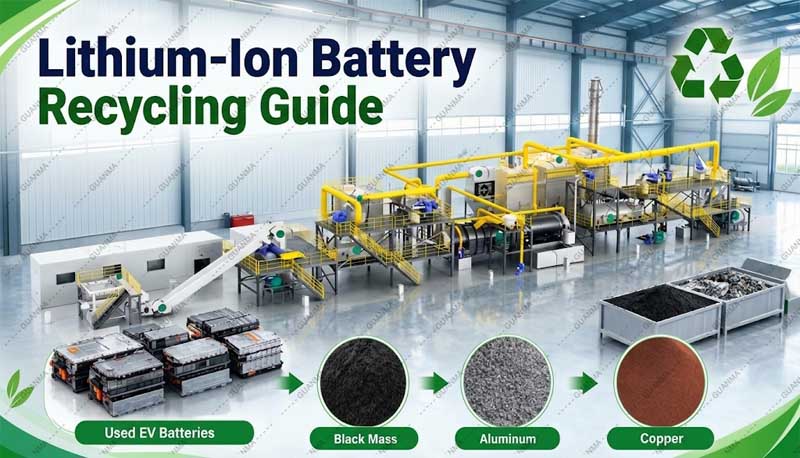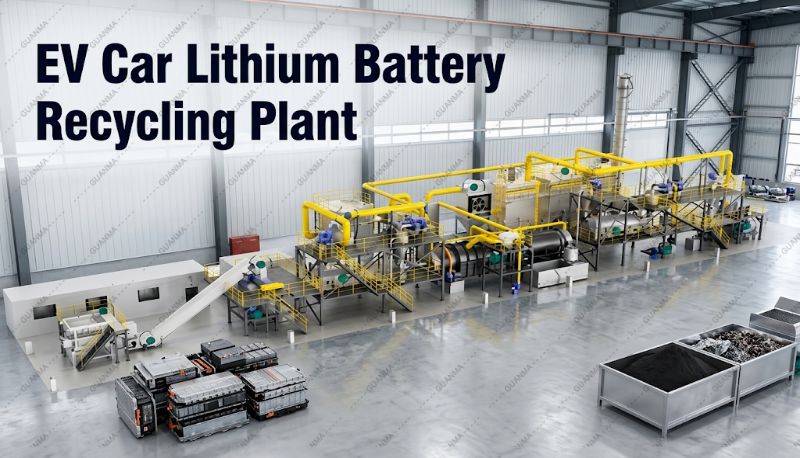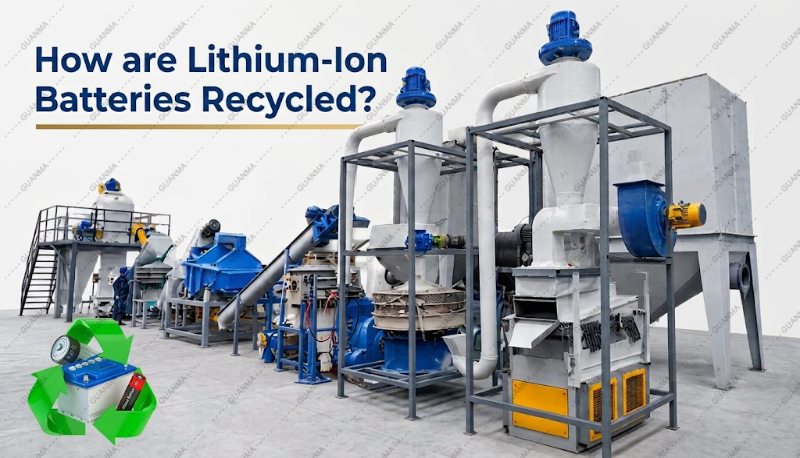
With the rapid development of the automotive, energy storage, and telecom industries, the demand for efficient lead-acid battery recycling solutions is growing worldwide. Professional recycling solutions help recover valuable materials, reduce environmental pollution, and support the circular economy.
Why Recycle Lead-Acid Batteries?
Lead-acid batteries contain large amounts of lead, plastic, and sulfuric acid. Improper disposal may cause serious environmental contamination. There are several benefits for recycling lead-acid batteries:
- Recover valuable lead resources
- Reduce hazardous waste pollution
- Lower raw material consumption
- Promote sustainable manufacturing
- Meet environmental regulations
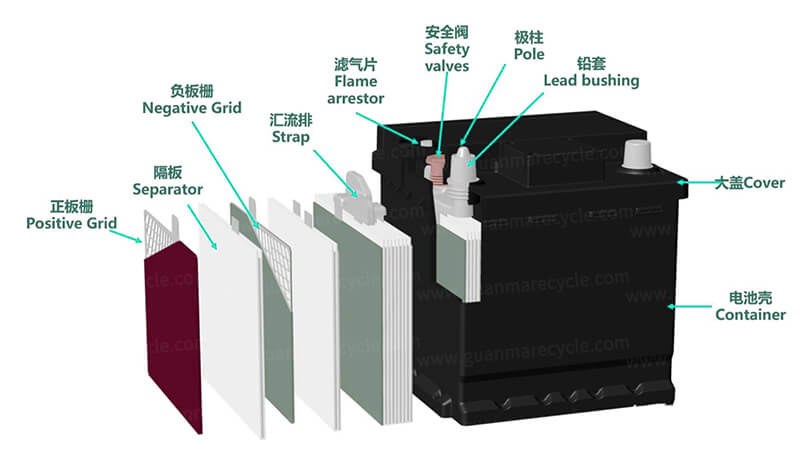
Main Recycling Process
A lead-acid battery recycling solution usually includes the following core steps:
1. Battery Disassembly, Crushing and Separation
There are two available solutions for lead-acid battery disassembly: a standalone lead-acid battery disassembly machine for crushing and sorting, or an integrated lead-acid battery crushing and separation production line. After processing via either the dedicated disassembly machine or the lead-acid battery crushing and separation line, the materials can be fully separated into lead paste, lead grids, lead mud, battery separators, plastics and dilute sulfuric acid, realizing efficient resource recovery.
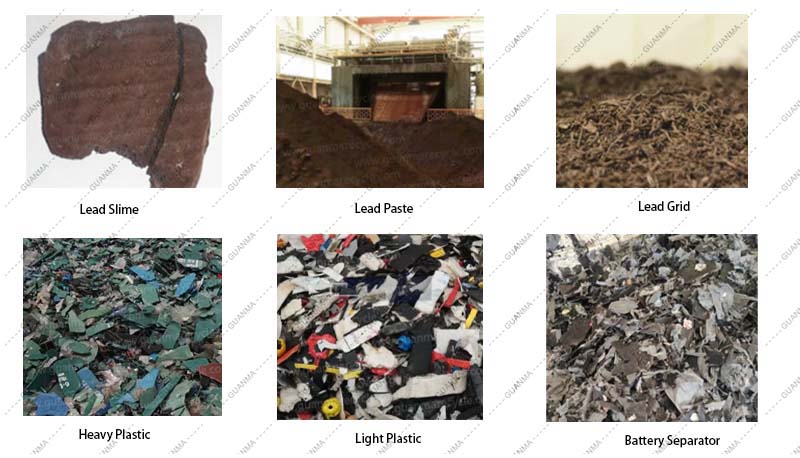
2. Lead Smelting
After separation, various lead-containing raw materials with different lead contents are obtained. Before smelting, we fully mix these materials and convey them to the lead smelting rotary furnace via a vibrating screen. When smelting is complete, we discharge molten lead into crucibles. A pulse bag dust collector runs throughout the operation to efficiently capture dust and flue dust generated during the entire process.
3. Lead Refining
Crude lead obtained from the smelting process has a purity of approximately 95%–96%. To achieve higher purity, a refining procedure is required. The crude lead is fed into the lead refining furnace, and after refining treatment, high-purity lead with a purity of 99.9% can be produced. The final product can also be processed into lead alloy as required.

Advantages of the Automated Recycling Solution
Compared with manual dismantling, automated recycling systems provide:
- Higher processing efficiency
- Higher lead recovery rate
- Lower labor cost
- Better environmental protection
- Safer operation
- Continuous production capability
As environmental regulations become stricter worldwide, professional lead-acid battery recycling solutions are becoming increasingly important for sustainable industrial development. Contact Guanma Machinery today to discuss how we can handle your lead-acid battery waste efficiently.
📩 Get Your Free Quote Today
Contact us today to discuss your project, capacity requirements, and target materials. Our team will reply within 24 hours with a customized proposal. You can also reach us directly at [email protected] — we are here to help!