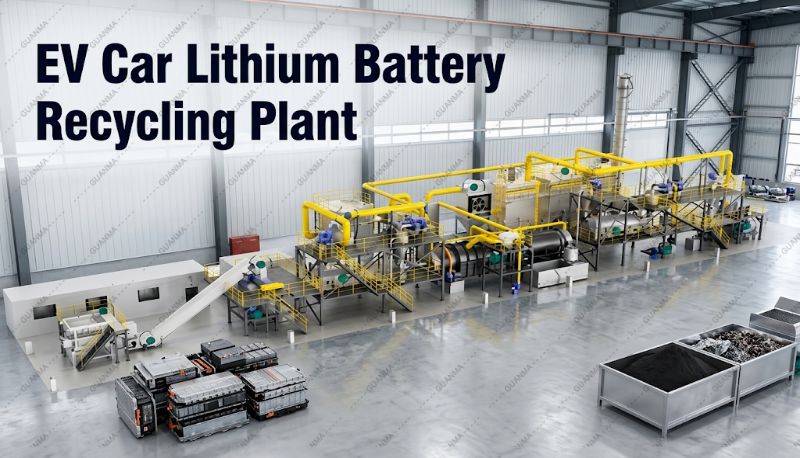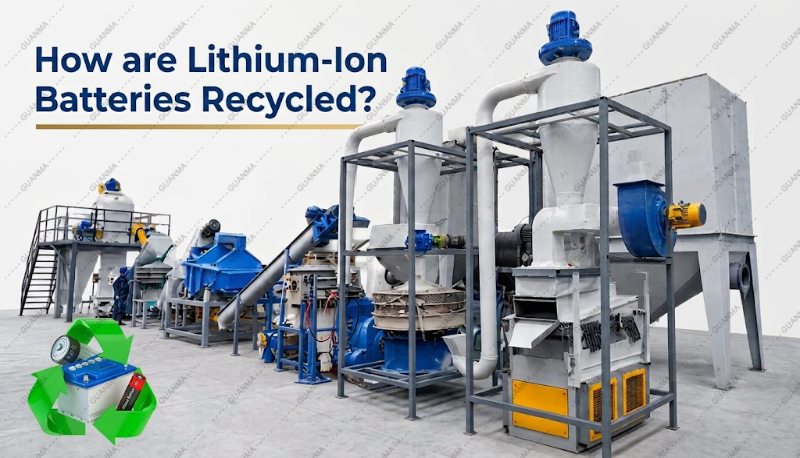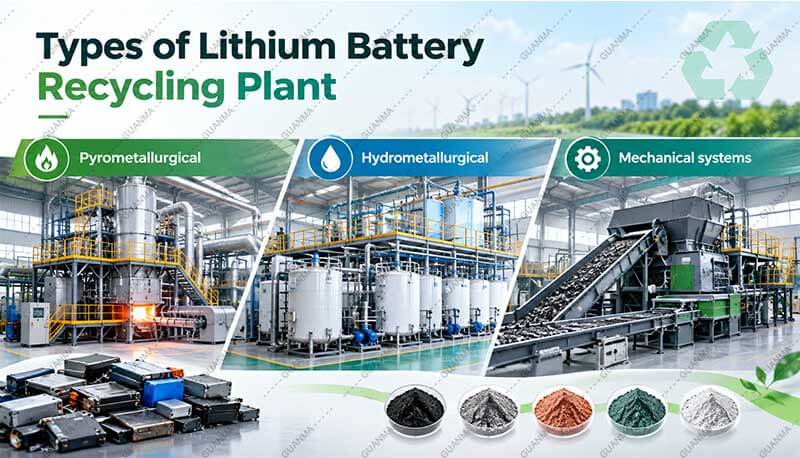
Lead acid battery recycling plants play a critical role in today’s lead acid batteries recycling. With millions of lead acid batteries reaching end-of-life every year, the need for efficient, safe, and environmentally compliant recycling solutions has never been greater.
What Are Lead Acid Batteries?
Before understanding the recycling process, let’s break down what we’re actually recycling.
Structure and Main Components
A lead acid battery is surprisingly simple, yet powerful.
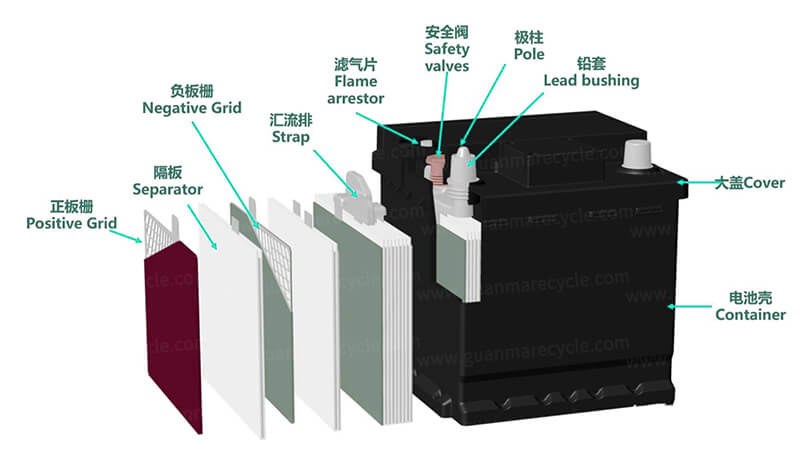
Lead Plates
These contain valuable metallic lead and lead compounds—the main profit driver in recycling.
Sulfuric Acid Electrolyte
Highly corrosive and hazardous, but recyclable after neutralization.
Plastic Casing
Usually polypropylene, which can be cleaned, melted, and reused.
How Lead Acid Battery Recycling Plants Work
The recycling process is systematic, controlled, and designed for maximum recovery with minimal environmental impact.
Battery Collection and Sorting
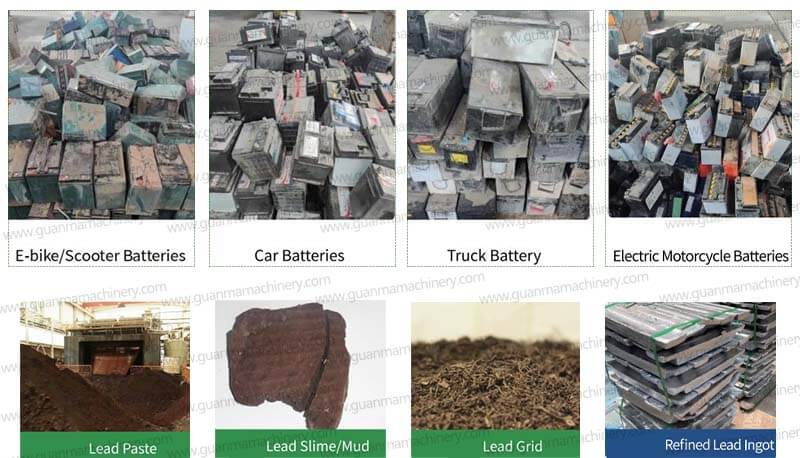
Used batteries are collected from distributors, service stations, and recycling centers. Sorting ensures consistent feedstock quality.
Crushing and Separation Process
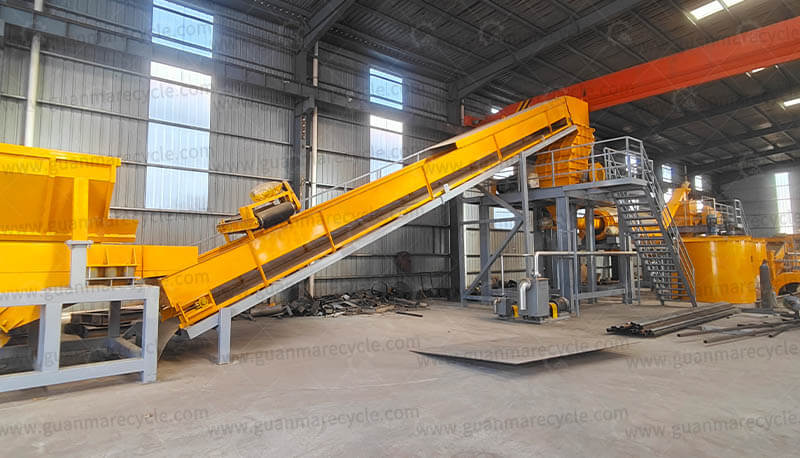
Batteries are crushed in Lead Acid Battery Crushing Separation Line. Lead, plastic, and electrolyte are separated using gravity and hydro-mechanical methods.

Lead Smelting and Refining
Recovered lead materials are smelted in high-efficiency furnaces to produce refined lead ingots that mee t industrial standards.
Plastic and Electrolyte Treatment
Plastics are washed and pelletized, while electrolytes are neutralized or converted into industrial-grade sodium sulfate.
Key Equipment Used in Lead Acid Battery Recycling Plants
Efficient recycling depends on reliable equipment.
Battery Breaking Machine
The heart of the plant—ensuring safe and uniform crushing.
Lead Smelting Furnace
Designed for high recovery rates and stable operation.
Air Pollution Control System
Includes bag filters, scrubbers, and chimneys to meet emission standards.
Wastewater Treatment System
Ensures zero discharge or compliant discharge, depending on regulations.

Environmental Benefits of Lead Acid Battery Recycling Plants
Reducing Lead Pollution
Proper recycling prevents lead contamination that could otherwise poison ecosystems.
Resource Conservation
Over 95% of lead can be recycled—far more efficient than mining.
Supporting Circular Economy
Old batteries become raw materials for new ones. It’s recycling at its best.
Economic Benefits for Investors
High Lead Recovery Rate
Modern plants achieve recovery rates above 97%.
Stable Raw Material Supply
Used batteries are always available—especially in developing markets.
Strong Market Demand
Lead remains essential for automotive, energy storage, and industrial sectors.
Safety and Environmental Compliance
Emission Control Standards
Advanced plants meet EU, EPA, and local environmental requirements.
Worker Safety Measures
Enclosed systems, automation, and proper ventilation reduce exposure risks.
International Certifications
ISO, CE, and environmental certifications increase project credibility.
How to Choose the Right Lead Acid Battery Recycling Plant Supplier
Manufacturer vs Trading Company
Working directly with a manufacturer ensures better pricing, accountability, and customization.
Engineering & Customization Capability
Every country has different regulations—custom solutions are essential.
After-Sales Service & Training
Installation, commissioning, and training determine long-term success.
Why Choose Guanma Machinery Lead Battery Recycling Plant?
Professional Manufacturer with Proven Experience
Guanma Machinery is a professional manufacturer, not a trading company, specializing in recycling equipment with years of global project experience.
Complete Recycling Plant Solutions
From layout design to equipment supply, installation, and training—Guanma Machinery delivers complete lead acid battery recycling plant solutions.
Transparent Factory Visit & Support
Customers are welcome to visit the factory, inspect equipment, and discuss technical details face to face.
Lead Acid Battery Recycling Plant Investment Analysis
Initial Investment
Depends on capacity, automation level, and environmental standards.
Operating Costs
Include energy, labor, maintenance, and consumables.
ROI and Payback Period
Many projects achieve payback within 1–3 years.
Lead acid battery recycling plants are more than just recycling facilities—they are long-term, sustainable investments that combine environmental responsibility with strong economic returns. By choosing a reliable manufacturer like Guanma Machinery, you reduce risk, ensure compliance, and build a future-proof recycling business.
📩 Get Your Free Quote Today
Contact us today to discuss your project, capacity requirements, and target materials. Our team will reply within 24 hours with a customized proposal. You can also reach us directly at [email protected] — we are here to help!