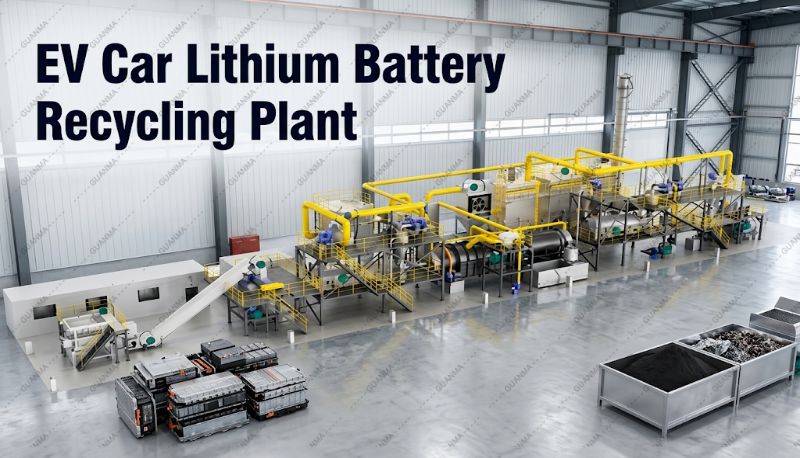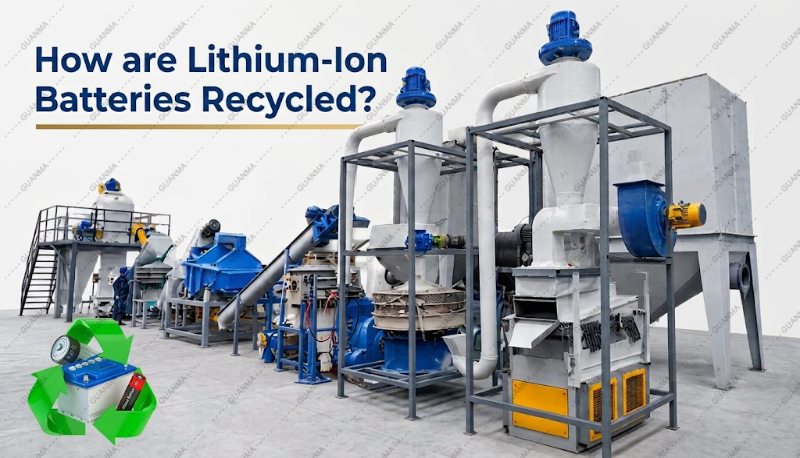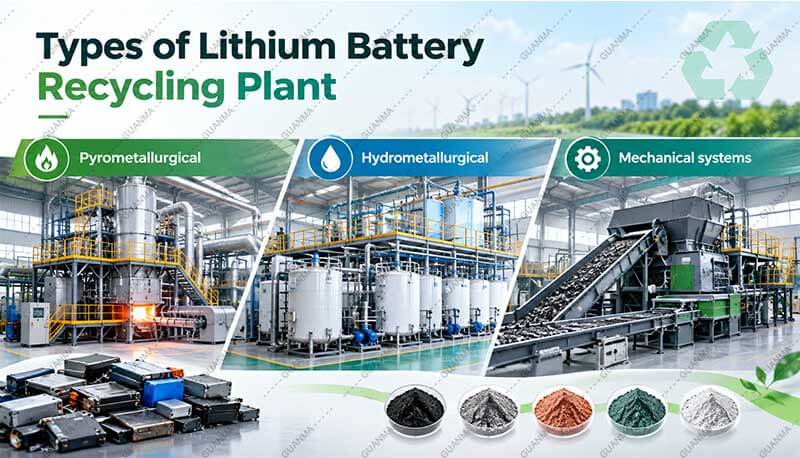
As the use of electric vehicles, energy storage systems, and electronic devices grows, so does the volume of end-of-life lithium-ion batteries. Recycling these batteries recovers valuable materials, reduces waste, and supports a more sustainable supply chain. This Lithium-Ion Battery Recycling Guide explains the main recycling steps, recovered materials, and equipment used in a modern lithium battery recycling plant.
Why Recycle Lithium-Ion Batteries?
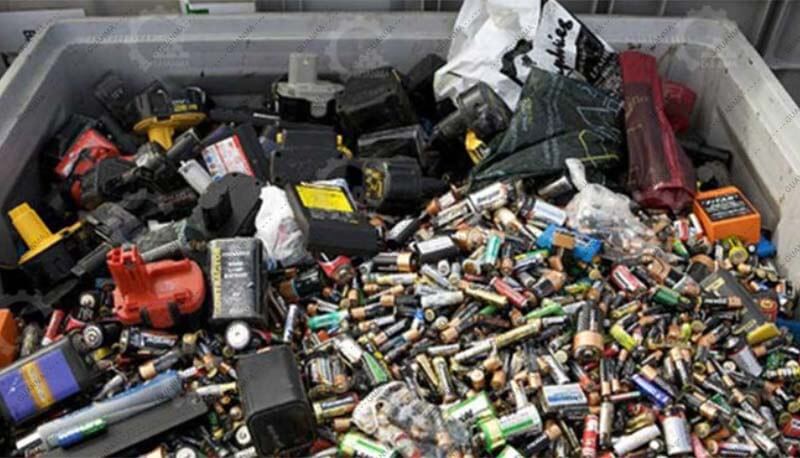
Lithium-ion batteries contain valuable materials such as lithium, nickel, cobalt, copper, and aluminum. Recovering these materials can reduce the demand for virgin resources and provide secondary raw materials for battery and other industries.
At the same time, waste lithium-ion batteries may retain residual electrical energy and contain flammable electrolytes. Safe discharge, handling, storage, and processing are therefore important parts of a commercial battery recycling process.
How Does Lithium-Ion Battery Recycling Work?
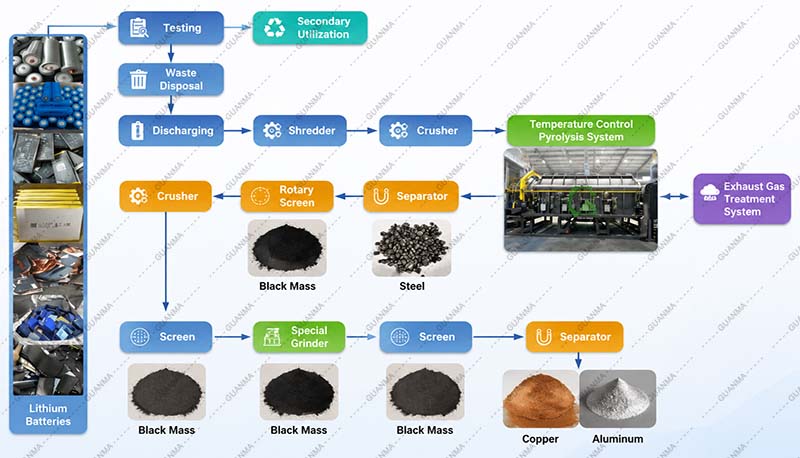
A typical lithium-ion battery recycling process combines mechanical processing and thermal treatment.
1. Pre-Treatment
Waste batteries are first inspected, sorted, and safely discharged.
2. Crushing and Shredding
After pre-treatment, the batteries enter a crushing and shredding system. Nitrogen protection can be used to improve operational safety, particularly when handling batteries containing flammable components.
3. Thermal Treatment
The lithium battery recycling line then uses a controlled pyrolysis process to remove electrolytes, binders, and other organic components. Thermal treatment can prepare the material for more efficient downstream separation.
4. Cooling, Further Crushing and Screening
After cooling, the pyrolyzed material undergoes multi-stage crushing and screening to separate black mass, copper, and aluminum.
What Materials Can Be Recovered?
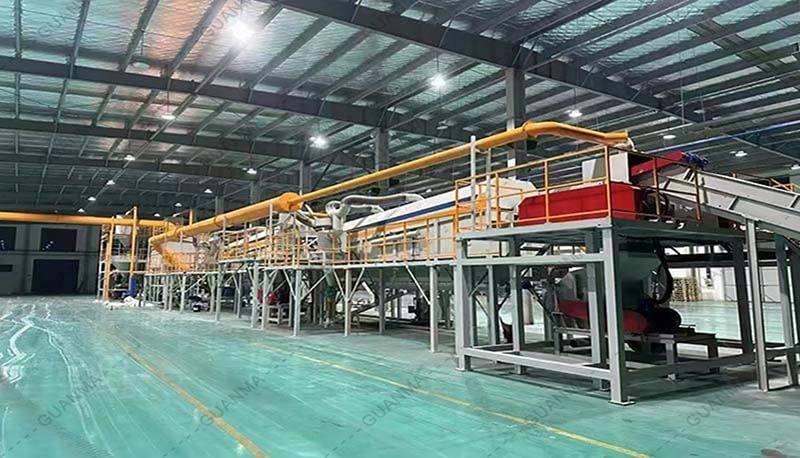
A well-designed lithium battery recycling system can recover several valuable fractions, including battery casings, separators, black mass, copper, and aluminum.
The final products and recovery rates depend on battery chemistry, feedstock composition, equipment configuration, and the selected lithium battery recycling technology.
What Equipment Is Used?
A commercial lithium battery recycling line may include discharge system, conveyors, shredders, crushers, nitrogen protection system, lithium battery pyrolysis furnace, cooling system, screening machines, grinders, air separators, dust collection system, and gas treatment system.
Choose the Right Lithium Battery Recycling Equipment
The right lithium battery recycling solution depends on your battery chemistry, processing capacity, and target products. As a professional lithium battery recycling equipment manufacturer, we can design customized recycling systems based on your specific requirements.
If you are planning to set up a lithium battery recycling plant, contact Guanma Machinery today. Our team will recommend a suitable recycling process and equipment configuration for your project.
📩 Get Your Free Quote Today
Contact us today to discuss your project, capacity requirements, and target materials. Our team will reply within 24 hours with a customized proposal. You can also reach us directly at [email protected] — we are here to help!