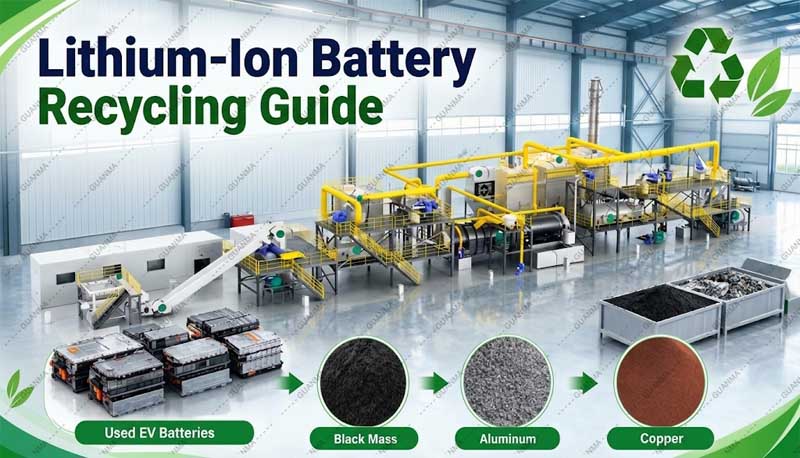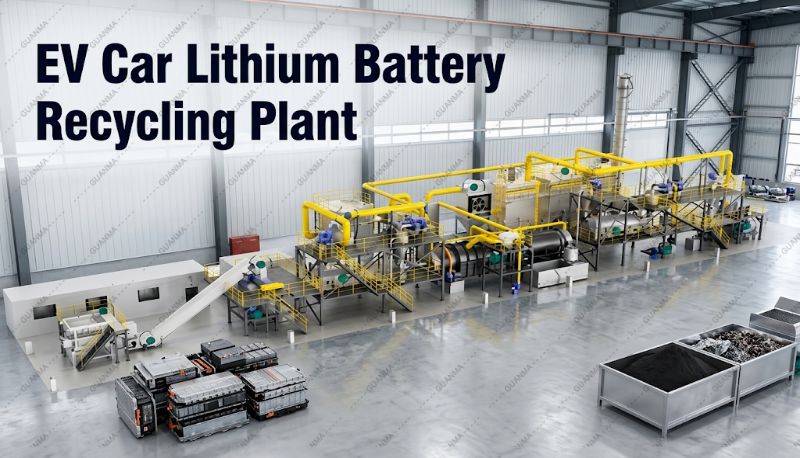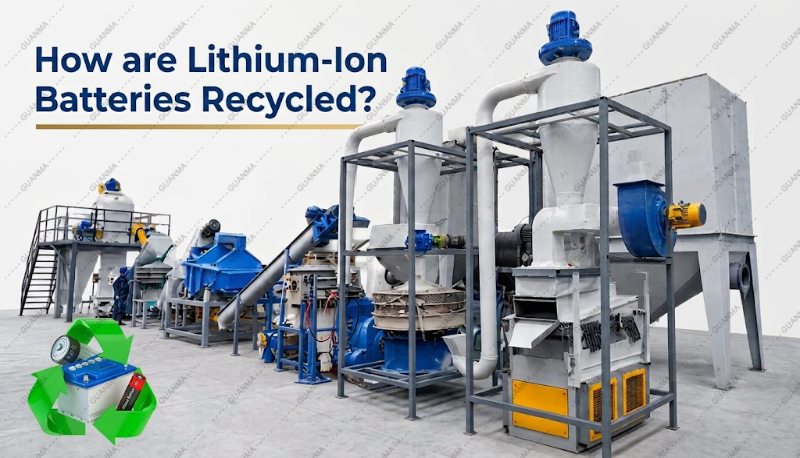
The rise of electric vehicles, consumer electronics, and energy storage drives a huge demand for lithium-ion batteries. Professional lithium ion battery recycling solution is crucial to recover valuable materials and protect the environment. There are two primary recycling routes for lithium batteries: second-life use and battery material recycling.
1. Second-life Use
Second-life use refers to the process of conducting necessary inspection, classification, splitting, repair or recombination of retired power batteries into echelon utilization battery products, enabling them to be applied in other fields. This process is generally implemented in the form of same-level or downgraded application scenarios.
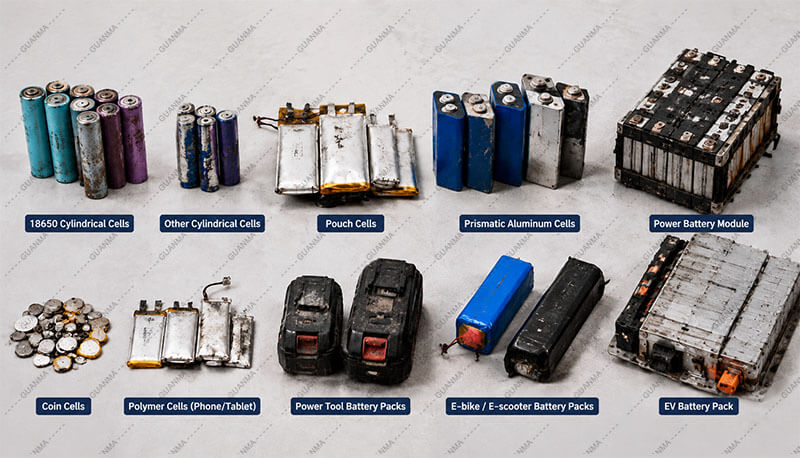
2. Battery Material Recycling
Battery material recycling process mainly adopts three technologies: physical separation, pyrometallurgy, and hydrometallurgy.
1. Physical Separation
The physical process treats retired power batteries through crushing, sieving, magnetic separation, fine grinding and classification. It recovers valuable components for subsequent recycling. It features simple operation, yet it cannot achieve complete component separation of lithium batteries, and fails to efficiently recover metallic materials during physical processing.
2. Pyrometallurgy
Pyrometallurgical recycling refers to the recovery of various battery materials or metals without using solutions or other media, mainly including mechanical sorting and high-temperature electrolytic methods.
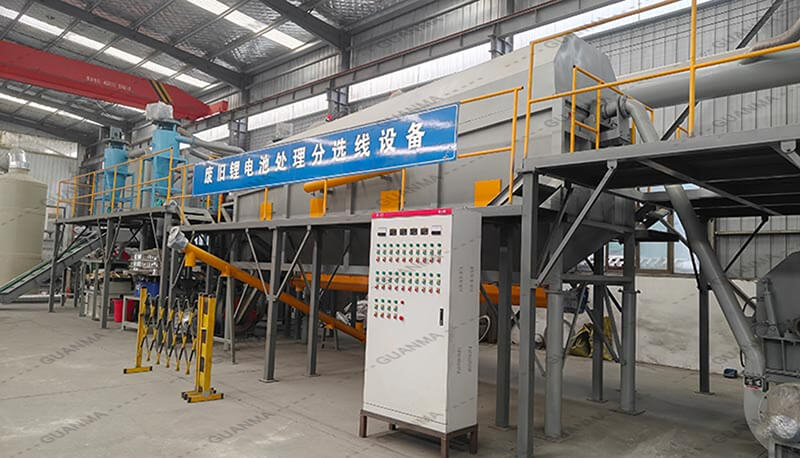
Process: Crushing, shredding, sieving, and magnetic separation.
Advantages: Simple operation process, rapid reaction under high temperatures, high efficiency, effective removal of residual binders, and suitable for processing large-scale or structurally complex batteries.
Limitations: The drawbacks are high energy consumption, the risk of emitting gas during processing, and high costs for treating pollutants.
3. Hydrometallurgy
Purpose: Uses chemical solutions to dissolve and recover lithium, cobalt, nickel, and other metals.
Process: Includes leaching, purification, and precipitation to produce high-purity materials.
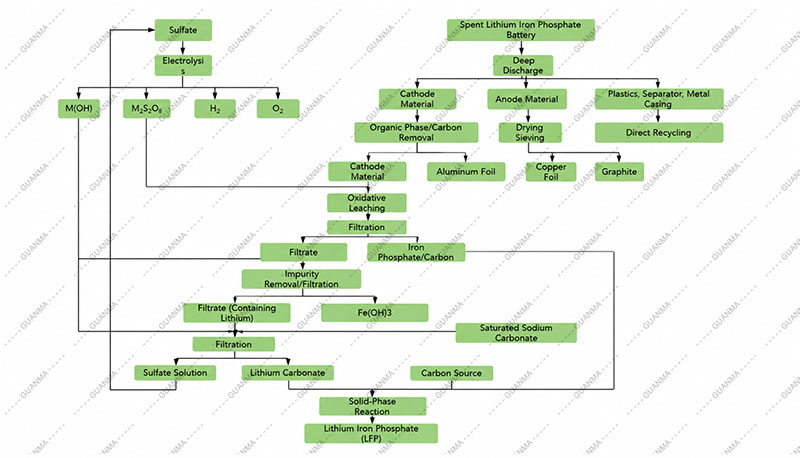
Advantages: High lithium recovery rate, superior product purity, and low energy consumption.
Limitations: The process flow is relatively long, requiring complete wastewater treatment and liquid purification systems, resulting in higher environmental protection investment and operational management costs.
No matter the method, knowing each process’s nuances is key to efficient lithium-ion battery recycling. Each has pros and cons, and the best choice depends on your goals and constraints. Understanding them helps you recycle effectively and support a sustainable future.
If you are looking for reliable lithium ion battery recycling equipment and customized process solutions, please feel free to contact Guanma Machinery!
📩 Get Your Free Quote Today
Contact us today to discuss your project, capacity requirements, and target materials. Our team will reply within 24 hours with a customized proposal. You can also reach us directly at [email protected] — we are here to help!