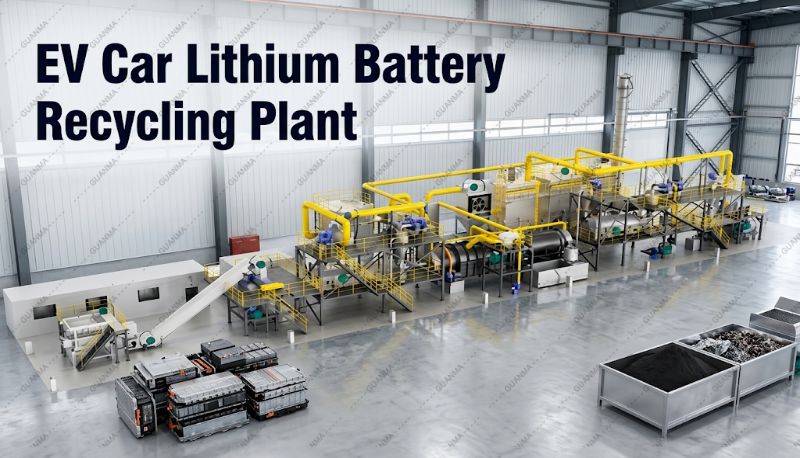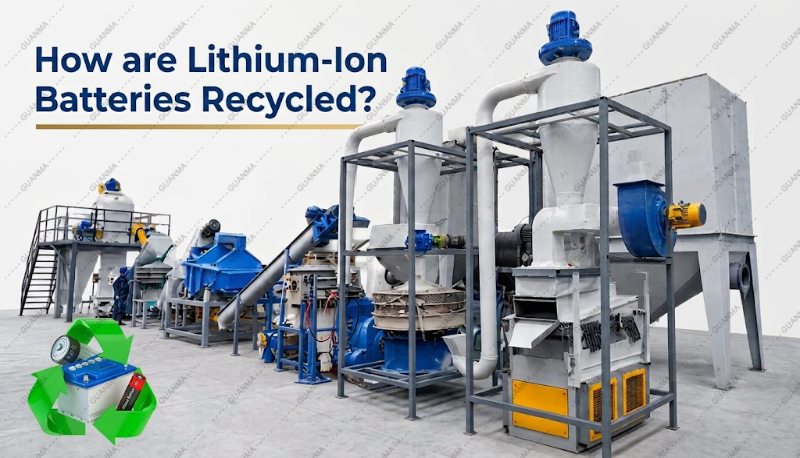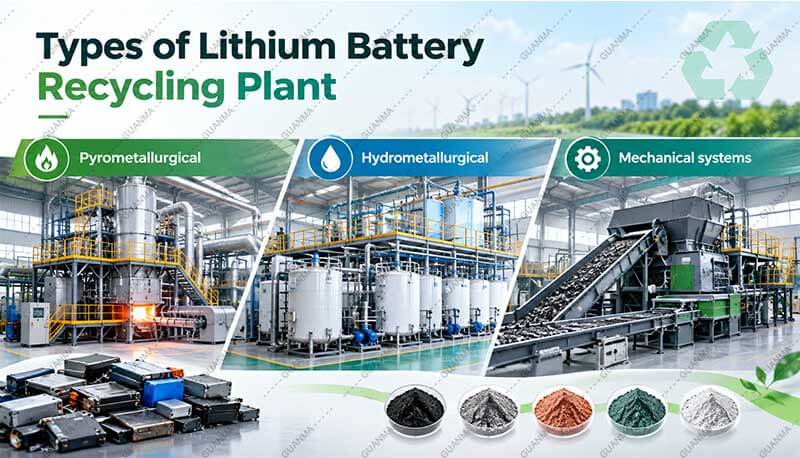
With the rapid development of electric vehicles and energy storage systems, lithium battery recycling plants increasingly depend on reliable lithium battery discharge methods before recycling to ensure safe and stable operations.
Why Lithium Battery Discharge Is Important in Recycling
Lithium-ion batteries retain residual energy even at their end-of-life. Without adequate pre-discharging, they pose severe hazards during mechanical processing.
Key risks without proper discharge:
- Thermal runaway caused by internal short circuits
- Fire or explosion during shredding or crushing
- Release of toxic or flammable gases
- Damage to lithium battery recycling equipment and production lines
Proper discharge is therefore essential to ensure a safe and controlled recycling workflow.
Main Methods for Lithium Battery Discharge Before Recycling
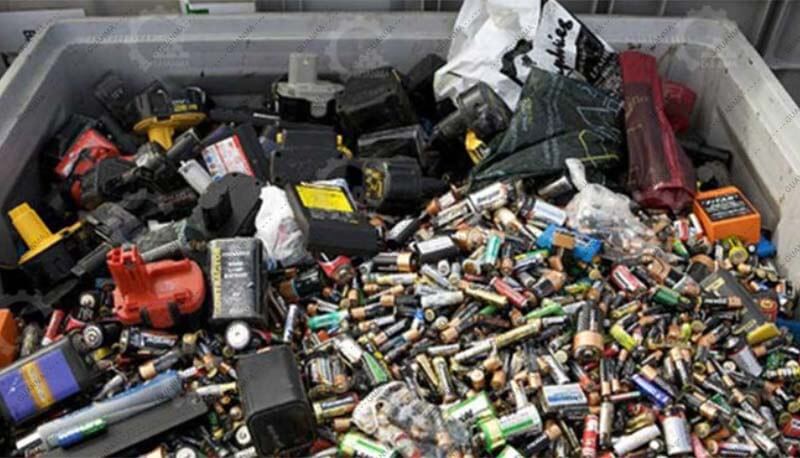
Different discharge methods are used in recycling depending on safety requirements, scale, and equipment configuration.
1. Resistance Discharge
Resistance discharge is the most common and simplest method used in battery pre-treatment.
Principle: The battery is connected to a fixed resistor or discharge cabinet, allowing electrical energy to be slowly released in the form of heat. This method is widely used in basic or entry-level lithium battery recycling systems.
Features:
- Simple structure and low cost
- Suitable for small-scale operations or laboratory use
- Relatively slow discharge speed
- Requires proper heat dissipation to avoid overheating
2. Electronic Load Discharge Method
Electronic load discharge is the most widely adopted method in lithium battery recycling plants.
Principle: The system is set to a constant current mode, allowing battery energy to be released in a stable and controlled manner. This method is considered the preferred solution for large-scale lithium battery recycling.
Features:
- High controllability and precision
- Safer and more stable discharge process
- Real-time monitoring of voltage, current, and temperature
- Suitable for EV battery packs and large-capacity modules
- Higher equipment investment compared to basic systems
3. Salt Solution Discharge Method
Salt solution discharge involves immersing batteries in conductive liquid such as saltwater or alkaline solution.
Principle: A conductive circuit is formed through the solution, allowing the battery to discharge gradually.
Features:
- Low cost and simple operation
- Suitable for basic or low-budget applications
- Risk of gas generation (such as hydrogen, Proper ventilation and gas treatment systems are required to ensure safe operation, as flammable gases may be generated during the process.)
- Higher environmental and safety management requirements
For recycling plant operators, investing in advanced discharge technology is not only a safety requirement but also a key factor in improving operational efficiency, reducing risks, and increasing long-term profitability. As a professional lithium battery recycling equipment supplier, Guanma Machinery provide customized lithium battery discharge machines. Contact us today to find the right lithium battery discharge system for your project.
📩 Get Your Free Quote Today
Contact us today to discuss your project, capacity requirements, and target materials. Our team will reply within 24 hours with a customized proposal. You can also reach us directly at [email protected] — we are here to help!