The solar energy boom is undeniable, but with millions of panels installed globally, a critical question arises: Is solar panel recycling profitable? As panels reach their end-of-life (typically 25-30 years), responsible disposal isn’t just an environmental necessity – it’s increasingly becoming a smart economic opportunity. Let’s break down the profitability equation.
The Core Drivers of Profitability
While recycling isn’t yet a universal goldmine, its profitability is rapidly improving, driven by several key factors:

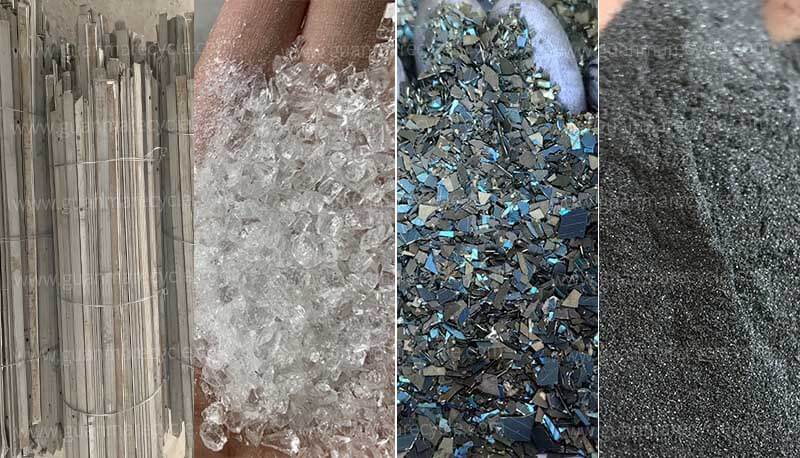
1. Recovering High-Value Materials
Modern panels contain valuable components:
Silicon (PV Cells): High-purity silicon can be recovered and reused in new panels or other electronics.
Metals (Silver, Copper, Aluminum): Silver conductors and copper wiring have significant market value. Aluminum frames are easily recycled.
Glass: The tempered glass front sheet makes up most of the panel’s weight and has a steady recycling market.
Critical Raw Materials: Efficient recovery of materials like silver is crucial for reducing reliance on mining and boosting profit margins.
2. Avoiding Landfill Costs & Liabilities
Solar panel disposal problems are mounting. Landfilling panels is expensive, environmentally harmful, and faces increasing regulatory bans. Recycling avoids these costs and potential future penalties or solar panel waste management fees. Proactive recycling mitigates significant end-of-life solar panel challenges.
3. Growing Scale & Efficiency
As the volume of end-of-life panels surges (projected to reach millions of tons annually by 2030), economies of scale kick in. Investment in specialized PV recycling technology improves recovery rates and reduces processing costs per panel, directly impacting solar recycling ROI.
4. Regulatory Pressure & EPR Schemes
Governments worldwide are implementing solar panel regulations and Extended Producer Responsibility (EPR) laws. These mandate manufacturers to fund or manage recycling, creating guaranteed feedstock streams and formalizing the solar recycling business case. Compliance avoids fines and builds brand reputation.
5. Market Demand for Recycled Content
Manufacturers are increasingly seeking reclaimed solar materials to reduce their environmental footprint and meet sustainability goals, creating premium markets for recycled glass, silicon, and metals.
The Current Profitability Landscape
Challenges Remain
Current PV recycling costs can still be high due to collection logistics, complex disassembly (especially for older panels), and the need for specialized technology to separate materials effectively. Solar panel recycling costs vary significantly based on location, volume, and technology.
Positive Momentum
Leading recyclers are demonstrating profitability, particularly with high-volume streams and efficient processes recovering valuable metals. The value of recovered materials often outweighs the processing costs, especially when silver recovery is optimized.
Future Outlook is Bright
Profitability is projected to increase substantially as solar recycling technology advances, collection networks mature, regulations tighten, and the sheer volume of decommissioned panels grows. Sustainable solar solutions are becoming an economic imperative.
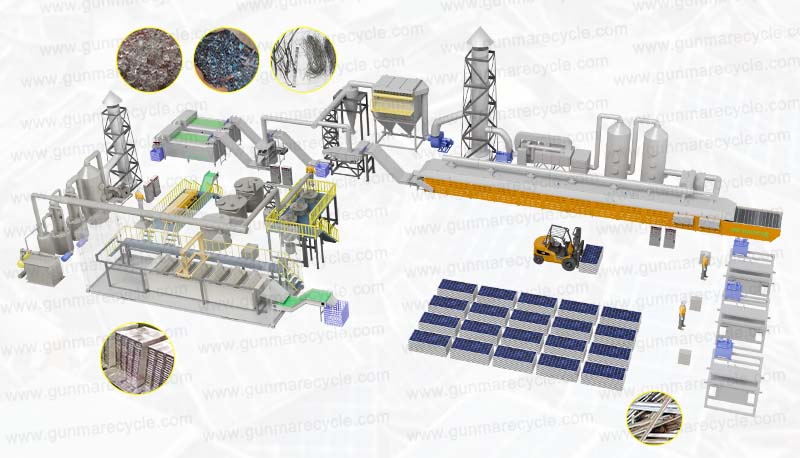
Maximizing Your Solar Recycling ROI
If you’re managing large-scale solar assets (utilities, developers, EPCs), here’s how to ensure profitable recycling:
1. Plan Ahead
Factor in solar panel end-of-life management costs from the project’s inception. Explore decommissioning funds.
2. Partner Wisely
Choose reputable solar recycling companies with proven technology, transparent cost structures, and high material recovery rates. Ask for detailed breakdowns of PV recycling costs and recovered material values.
3. Consolidate Volume
Aggregate panels from multiple sites or projects to achieve economies of scale and improve negotiating power.
4. Consider Design
Support panel manufacturers designing for recyclability, which simplifies disassembly and boosts future solar recycling ROI.
5. Track Regulations
Stay informed about evolving solar panel regulations and EPR schemes in your markets.
Profitability is Rising
While upfront solar panel recycling costs exist, the answer to “Is solar panel recycling profitable?” is increasingly yes. Driven by valuable material recovery, avoiding landfill expenses, tightening regulations, and advancing technology, solar panel recycling is transforming from an environmental duty into a viable and necessary business model.
📩 Get Your Free Quote Today
Contact us today to discuss your project, capacity requirements, and target materials. Our team will reply within 24 hours with a customized proposal. You can also reach us directly at [email protected] — we are here to help!