Starting a solar panel recycling business is not just a profitable venture but a crucial step toward sustainable energy solutions. As the global shift to renewable energy accelerates, the disposal of end-of-life solar panels has become a pressing environmental issue.
Why Start a Solar Panel Recycling Business?
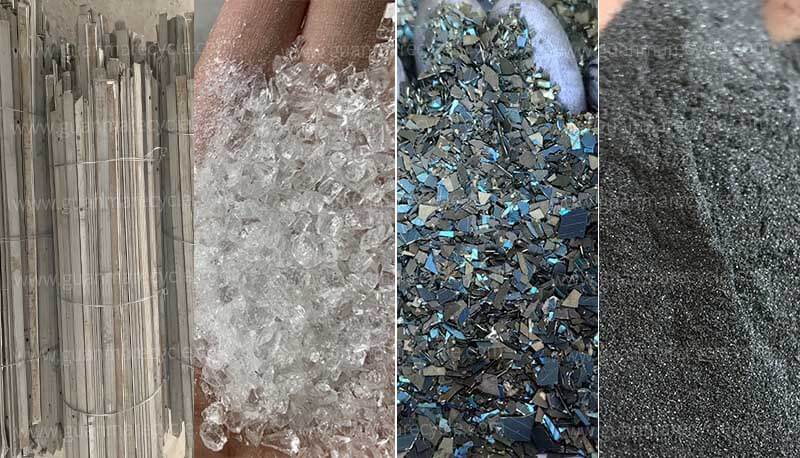
Solar panels have a lifespan of 25-30 years, and as early installations reach end-of-life, the volume of waste is projected to surge. This creates a massive opportunity for recycling businesses to recover valuable materials like silicon, glass, and metals.

Step 1: Conduct Thorough Market Research
Identify Target Regions
Focus on areas with high solar adoption, such as Europe, North America, and Asia. Research local waste management policies and incentives for recycling.
Assess Competition
Study existing solar panel recycling companies to identify gaps in services.
Understand Customer Needs
Reach out to solar farms, installers, and manufacturers who need disposal solutions. Surveys and industry reports can reveal pain points, like cost-effective recycling options or regulatory compliance.
Step 2: Navigate Legal and Regulatory Requirements
Compliance is critical in the waste management sector. Regulations vary by country, but generally include:
Permits and Licenses
Obtain permits for handling electronic waste (e-waste), as solar panels often fall under this category.
Environmental Standards
Ensure your facility meets environmental protection guidelines for hazardous material handling (e.g., lead and cadmium in panels).
Certifications
Pursue certifications like ISO for environmental management to build credibility and attract clients.
Consult with legal experts to avoid fines and delays. Proactive compliance not only mitigates risks but also enhances your reputation as a trustworthy solar panel recycling business.
Step 3: Develop a Solid Business Plan
Market Analysis
Use data from Step 1 to demonstrate market size and growth potential.
Financial Projections
Estimate startup costs (e.g., equipment, facility, labor), revenue streams (e.g., service fees, material sales), and break-even analysis.
Marketing Strategy
This plan will guide your decisions and help secure funding from investors or banks.
Step 4: Secure Funding and Investment
Starting a recycling business requires significant capital. Explore options like:
Loans and Grants: Apply for small business loans or green energy grants from government agencies.
Investors: Pitch to impact investors interested in sustainability.
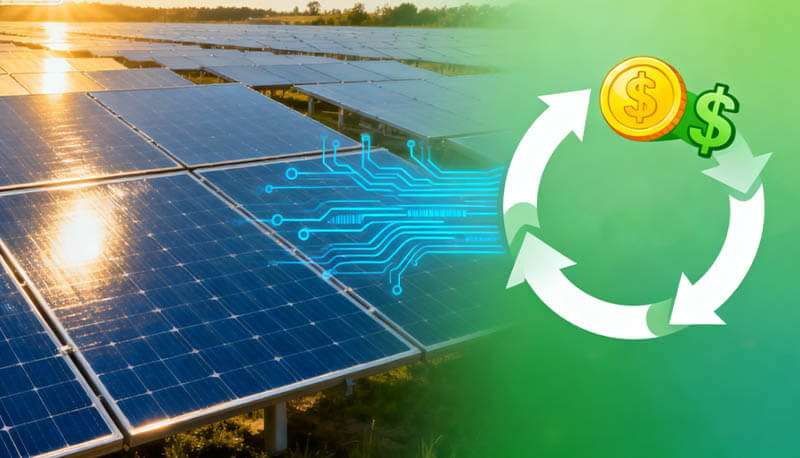
Highlight the long-term profitability and environmental benefits to attract backers. For example, recycled materials can be resold, creating recurring revenue.
Step 5: Choose the Right Technology and Equipment
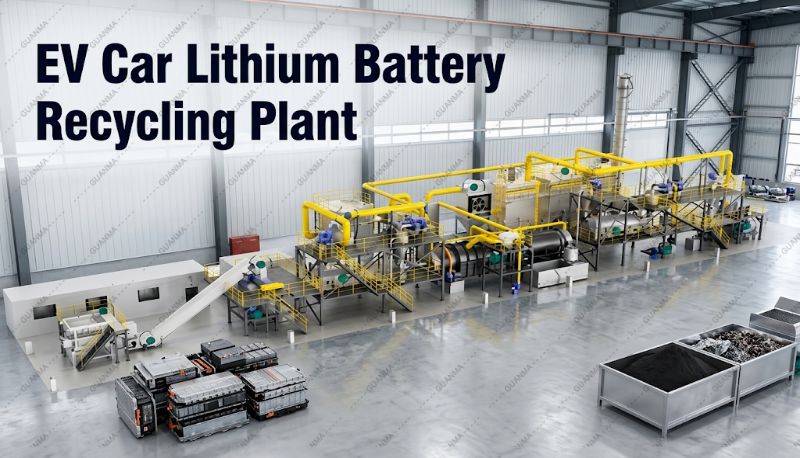
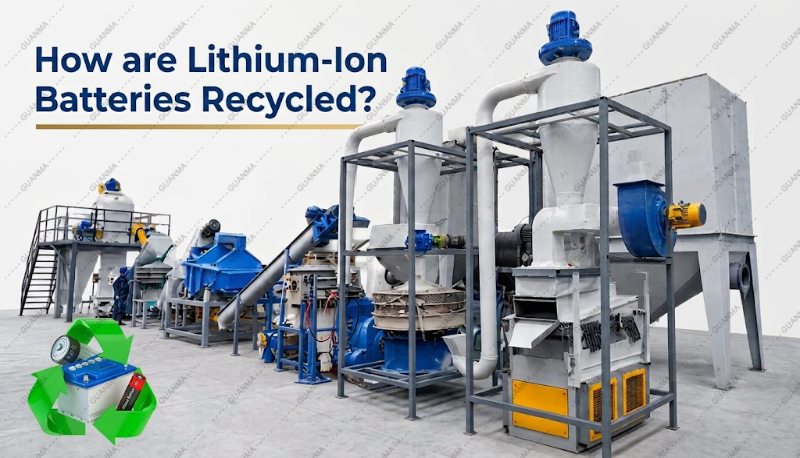
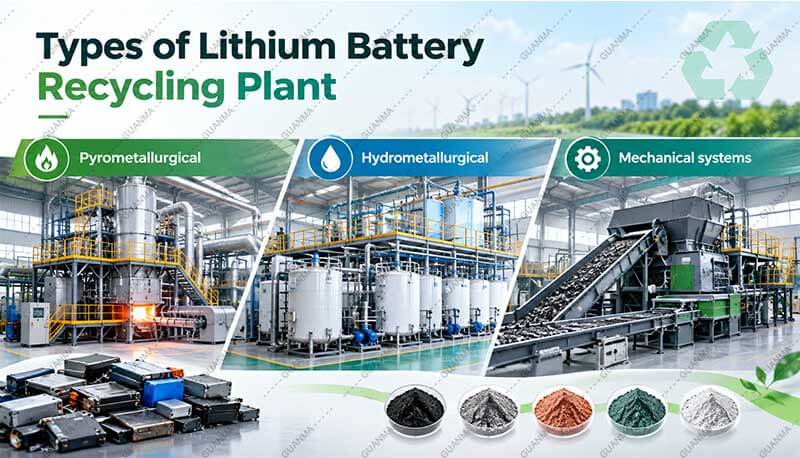
Investing in efficient machinery is key to success. Solar panel recycling involves processes like dismantling, shredding, and material separation.
Partner with reliable solar pv panel recycling machine manufacturers like Guanma Machinery, which offers specialized equipment such as:
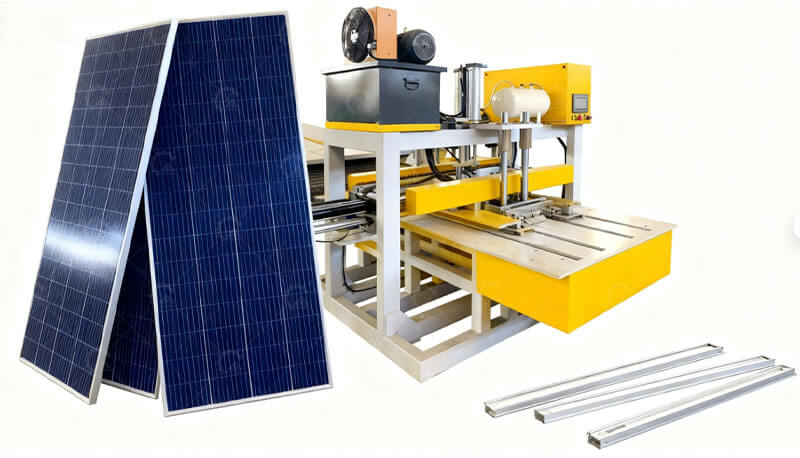
Solar Panel Dismantling Machines
Automate the removal of frames and junction boxes.
Solar Panel Crushing and Sorting Production Line
Recover glass, silicon, and metals with high purity rates.
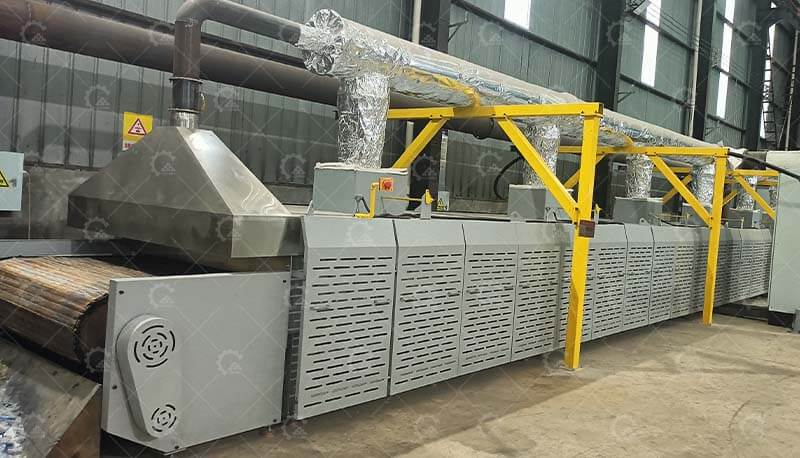
Solar Panel Pyrolysis Process Line
After removing the aluminum frame and glass, the remaining materials(mainly silicon, metals, cables, etc.) are directly fed into the pyrolysistreatment line.
Solar Panel Extraction of Precious Metal Plant
Will use precious refining machine to extraction silver, to get purity silver.
Dust Control Units
Ensure worker safety and environmental compliance.
Using Guanma Machinery solar panel recycling solutions can improve efficiency and reduce operational costs. When selecting equipment, consider factors like throughput capacity, energy consumption, and maintenance requirements.
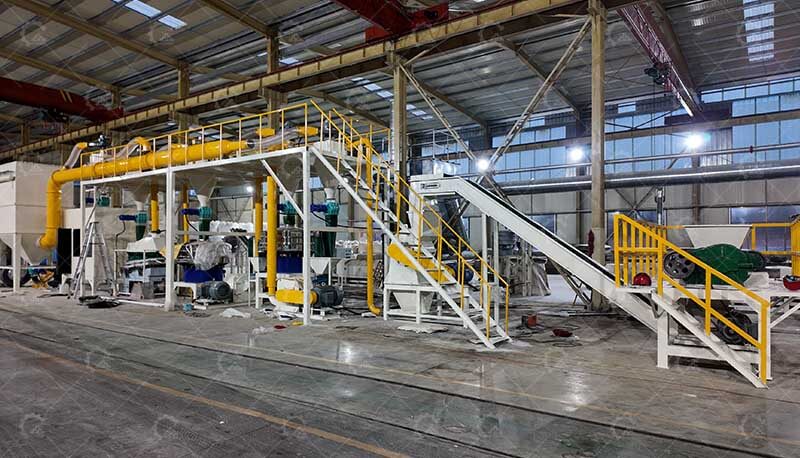
Step 6: Set Up Your Recycling Facility
Location and infrastructure are crucial:
Site Selection
Choose a facility near industrial zones or solar farms to minimize transport costs. Ensure it has adequate space for processing, storage, and waste handling.
Layout Design
Organize areas for incoming panels, disassembly, processing, and material storage. Implement safety measures like ventilation and spill containment.
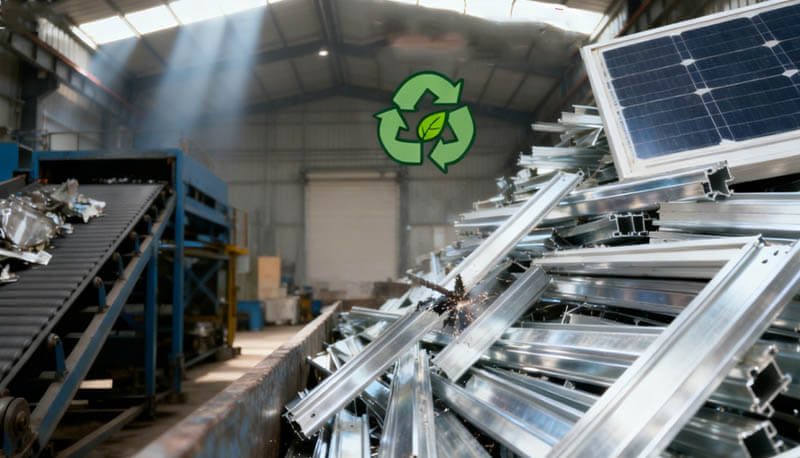
Staff Training
Hire and train employees on operating machinery, safety protocols, and quality control. Emphasize the importance of handling hazardous materials properly.
A well-planned facility enhances productivity and compliance. Consider starting with a pilot plant to test processes before scaling up.
Step 7: Implement Operational and Marketing Strategies
Once operational, focus on efficiency and growth:
Operational Tips
Monitor key metrics like recovery rates and downtime. Use software for inventory and compliance tracking.
Marketing Approach
Attend industry events to network with solar panel manufacturers and installers.
Step 8: Ensure Sustainability and Scalability
Plan for long-term success by:
Continuous Improvement: Adopt new technologies to increase material recovery rates and reduce costs.
Partnerships: Collaborate with solar companies, research institutions, and waste management.
Take the First Step Today
Starting a solar panel recycling business is a rewarding endeavor that combines profitability with environmental stewardship.
Contact Guanma Machinery today to learn more about how you can launch your solar panel recycling business with expert guidance and tailored solutions.
📩 Get Your Free Quote Today
Contact us today to discuss your project, capacity requirements, and target materials. Our team will reply within 24 hours with a customized proposal. You can also reach us directly at [email protected] — we are here to help!